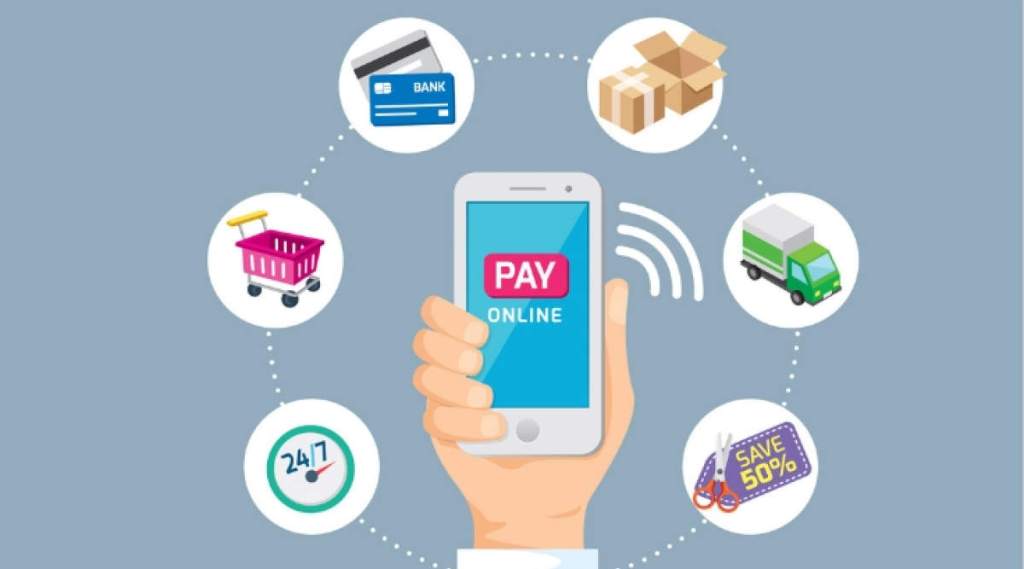
If you’d like to accept payment cards on your website or mobile device, you may be wondering whether you need a merchant account to process these payments, or whether you’ll be fine with just a payment gateway. The short answer is: yes, you need a merchant account.
Truth be told, you can’t have one without the other. So let’s briefly discuss here why you’ll need both a merchant account and a payment gateway, and then we’ll take an overview of how the whole process works.
The easiest way to explain exactly what a payment gateway is is to say it’s like a car that gets your payment from your online customer to your merchant account provider for processing. Having a trading account alone is like having a license that allows you to drive a car.
If you wanted to take the analogy a step further, a garage is like your business bank account. You need all three to accept credit card payments online, but you can’t have a car (payment gateway) without being able to store it in a garage (bank account) and payment gateway in bangladesh you can’t operate a car (payment gateway) without a license (business account).
You can have a license (business account) without a car (payment gateway) even though you can’t operate a car without a license. At the end of the day, you still need a garage (bank account) to store all your stuff, regardless of whether you process online or through a terminal. It’s a silly analogy, but it helps to understand how everything works together.
The payment gateway takes your customers’ payment information and passes it on to your processor. It will then relay the approved or rejected response from your processor back to you. The processor is the entity that communicates with the lending banks to obtain this response.
 watershopbd.movie.blog