Wool is a biodegradable and resistant material that, at the same time, has less animal and environmental impact. The skin of the animal is avoided, with which the sector, the fashion industry and the textile factory are less in favor each time.
To raise animals, many economic and natural resources are needed, such as: a large land, water and a large amount of feed, among others. Wool, specifically, is paid for by the volume of what is shorn.
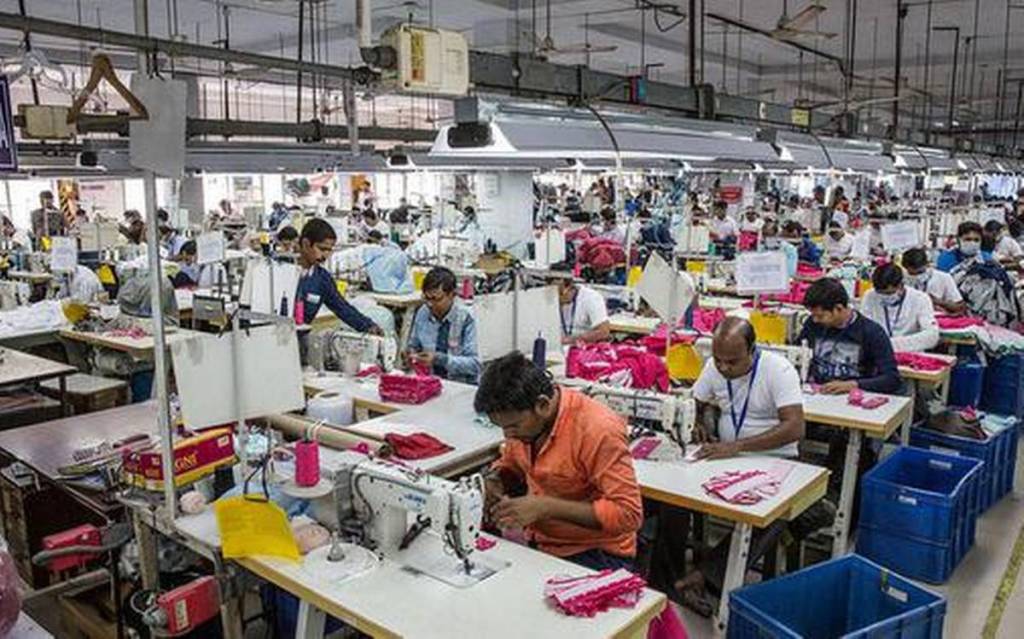
To shear the sheep, professionals are hired who can shear up to 200 sheep in a single day , which represents 2-3 sheep per minute. This puts a great level of stress on the sheep, they men’s casual wear shirts manufacturer in bangladesh can even cause physical damage, such as scratches, wounds and even broken bones.
Behind the wool in a knitting factory
DIFFERENT TYPES OF WOOL DEPENDING ON ITS ORIGIN
The wool that is used in a textile factory or in any clothing manufacturing site does not always come from the same type of sheep. Depending on the sheep we can obtain one type, or another, of wool with which it will have some qualities or others. Among the different types of wool and sheep that exist, the following stand out:
Behind the wool in a knitting factory
Cashmere. It comes from cashmere goats. It is one of the rarest and, at the same time, most valued wools in the world.
Angora. It is obtained from Angora rabbits. The main characteristic of this wool is its softness.
Lana Mohair. This wool comes from Angora goats. The main characteristics of this wool is its softness and shine.
Merino wool. It comes from the merino breed of sheep. Mainly these sheep are found in Australia.
MULESING TECHNIQUE IN MERINA SHEEP
Merino sheep have a main characteristic and that is that they have folds in their skin. These folds, while giving texture to their own wool, also cause infections in the sheep themselves, since flies accumulate and they lay their eggs there. This fact produces infections and diseases.
The main remedy that is used in some countries, such as Australia, is mulesing. This consists of cutting the skin around the anus, where more flies and more diseases accumulate. This technique is performed without anesthesia on the smallest lambs and it can take several weeks to heal. When the area heals, it is protected from these infections.
Post2 3 Behind the wool in a textile factory
AWARENESS
The awareness of the textile factories regarding the processes of obtaining wool, whatever the origin and breed of sheep or animals that are sheared, is increasing. Many companies, such as Inditex, have dispensed with the wool that comes from Australian sheep, to avoid mulesing. details more
In several companies and textile factories, it has also been chosen to put in the description of the product where the wool comes from and what type of animal it has been extracted from. Identifying the farmer from where he wants to extract the material is an important step to give value to the final product and the raw material.
For example, more than 80% of fine merino wool comes from sheep in Australia where the mulesing method is used. In Spain, it is another case, sheep that are infected are treated with drugs, but the mulesing method is not performed.
 watershopbd.movie.blog